ASIAN OCEANIAN SOCIETY of NEUROPATHOLOGY

The Asian Oceanian Society of Neuropathology (AOSNP) originated in 2007 as the Asian Society of Neuropathology (ASNP). In 2018, at the General Assembly meeting of the 4th Congress of the Asian Society of Neuropathology held in Tokyo, Japan, it was proposed to include Oceanian countries, leading to the transformation of ASNP to AOSNP.
The formation of the AOSNP was officially finalised on September 25, 2021, in the Executive meeting of the 5th Congress held in Bengaluru, India with participation of members from Japan, India, China, Australia, New Zealand, Hong Kong, Korea, Jordan, Turkey, Malaysia and Philippines. The formation of the new society was subsequently reported to the International Society of Neuropathology (ISN) and published on the ISN website.
Aims
The AOSNP is a 'not for profit' organization that aims to achieve the following in the Asian Oceanian region:
- Enhance the quality of practice of Neuropathology.
- Promote its development and advancement as a subspecialty.
- Endorse collaboration and exchange of knowledge.
- Encourage educational activities and research in neuropathology and allied disciplines.
Mission
To advance knowledge in the field of Neuropathology, and to disseminate such knowledge in the Asian Oceanian Region.
ACTIVITIES OF THE SOCIETY
- AOSNP-ADAPTR initiative (Adapting Diagnostic Approaches for Practical Taxonomy in Resource-Restrained Regions)
- Joint Neuropathology Workshops of Asian Society of Neuro - Oncology (ASNO) with AOSNP
- Asian Oceanian Congress of Neuropathology (AOCN)
It is both a profound honour and a great privilege for me to serve as the President of the Asian Oceanian Society of Neuropathology (AOSNP), and I extend my heartfelt gratitude to all members for entrusting me with this....
Message from the Past PresidentChitra Sarkar
Past President (2021-25)
AOSNP

I believe that by working across multiple countries within Asia and Oceania, incorporating many inputs and varying perspectives, whilst engaging in important medical problems of our time, we, as neuropathologists can play an important role in improving patient care. Stroke and neurodegenerative diseases are common causes of death in the elderly with considerable social and financial implications. Many brain tumours, across an age spectrum, remain incurable, and most muscular dystrophies have long term medical and social consequences with limited specific treatment options. Infectious diseases of the central nervous system across our lands also provide scope for us to educate the rest of the world....
Message from the President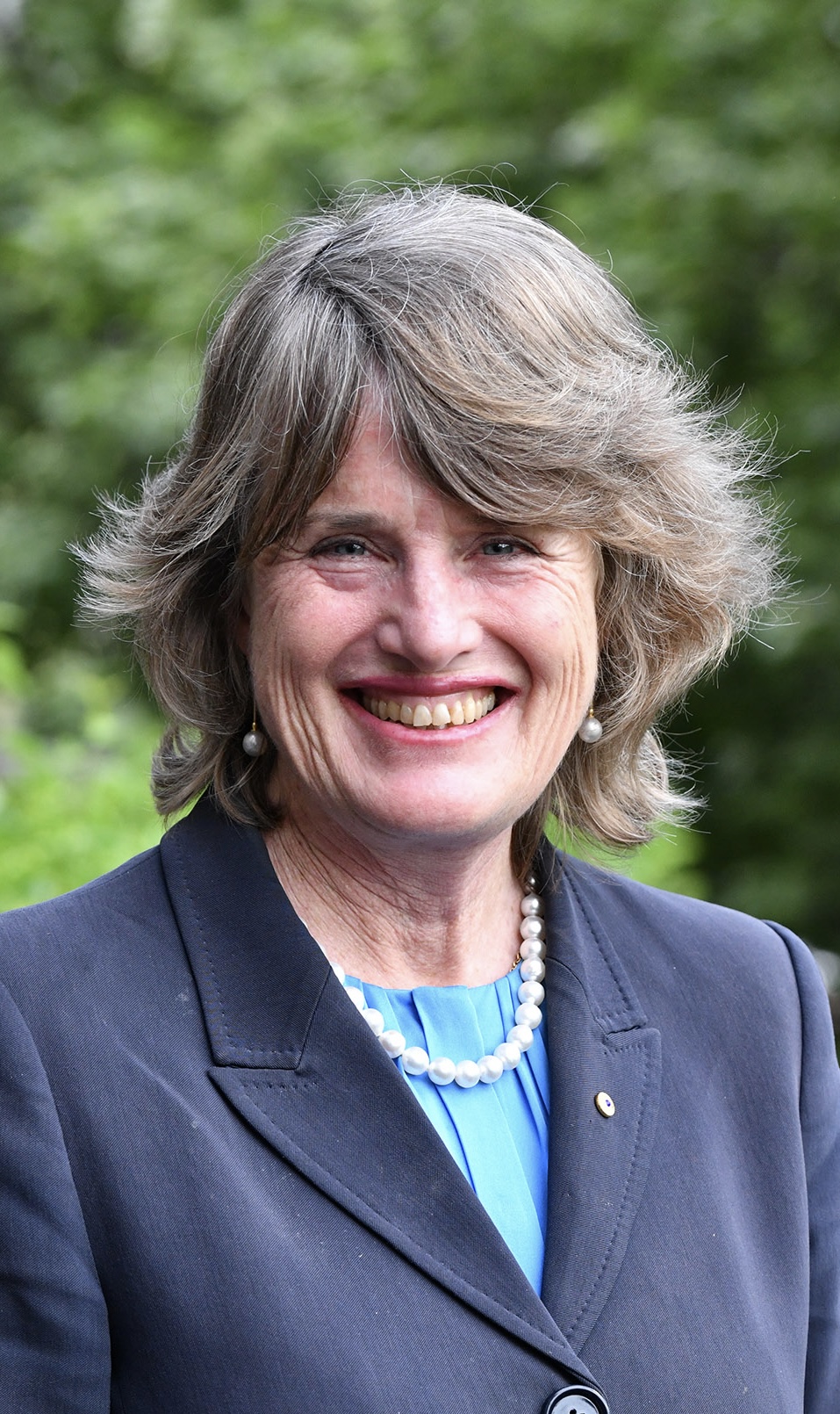
Professor Catriona McLean AO
President AOSNP
I am pleased to convey this message on behalf of the Asian Oceanian Society of Neuropathology (AOSNP). The formation of AOSNP represents a significant advancement for our region, uniting neuropathologists, neuroscientists, and allied professionals committed to progress in our discipline. Our objective is to develop an inclusive and dynamic platform that facilitates scientific exchange, enhances....
Message from the Secretary General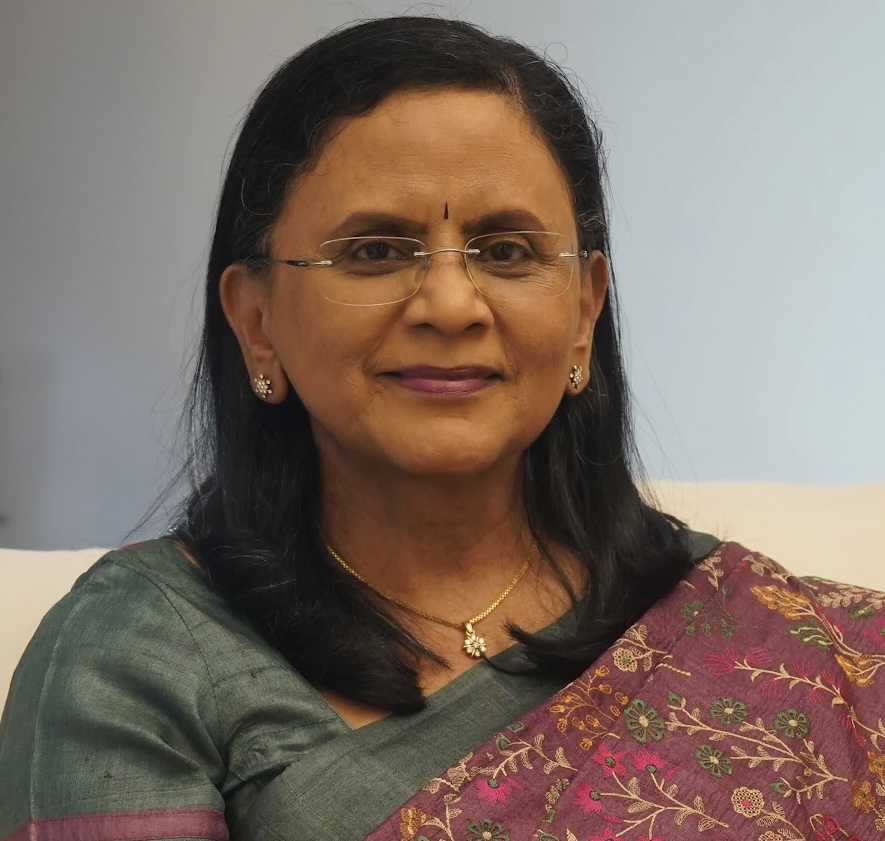
Vani Santosh
Secretary General
Asian Oceanian Society of Neuropathology
List of Participating Countries in AOSNP
| India | Japan |
| Indonesia | China |
| Malaysia | Turkey |
| Philippines | Jordan |
| Thailand | Australia |
| Singapore | New Zealand |
| Korea | Taiwan |
| Bangladesh | Sri Lanka |
| Nepal | Pakistan |
| Vietnam |