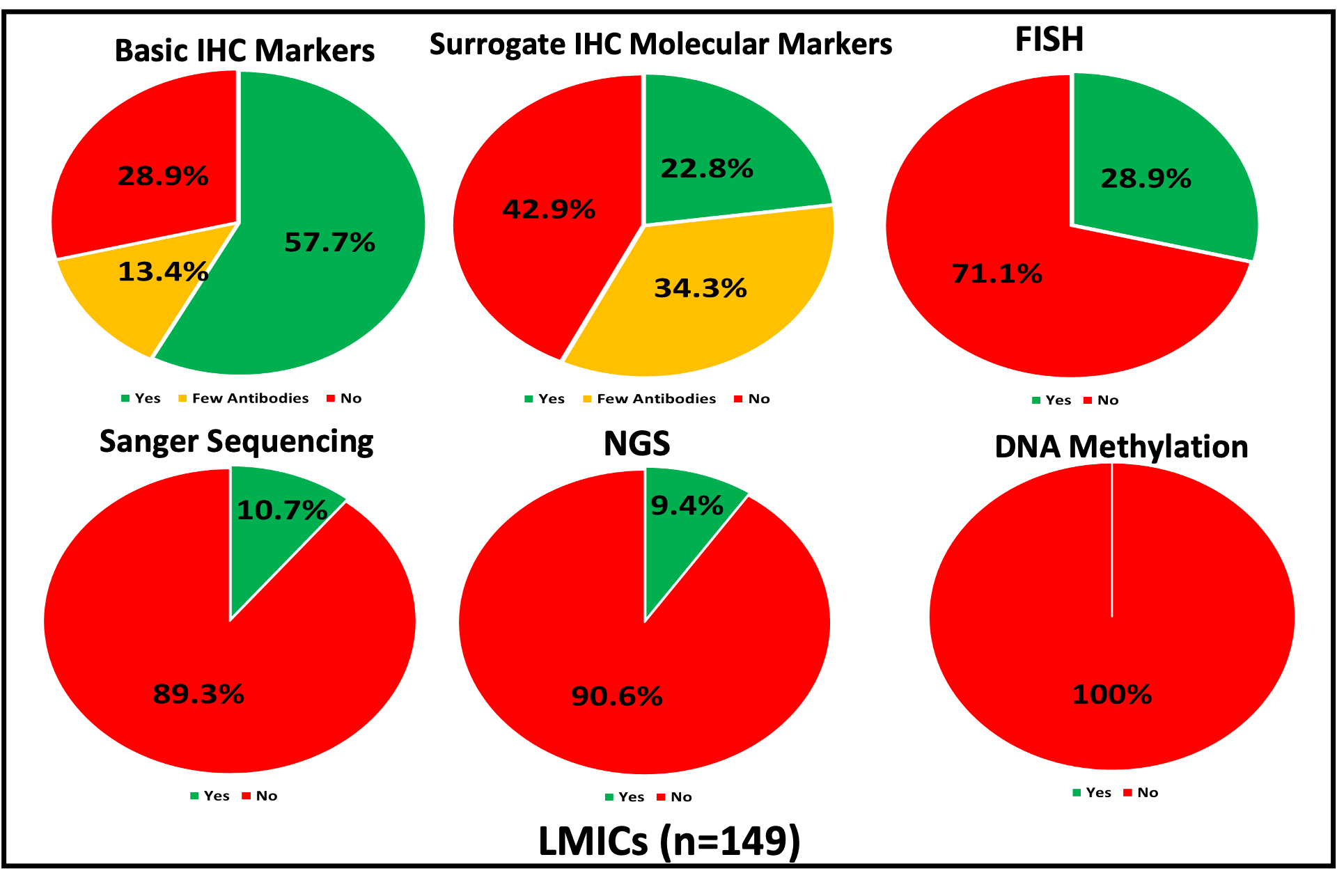
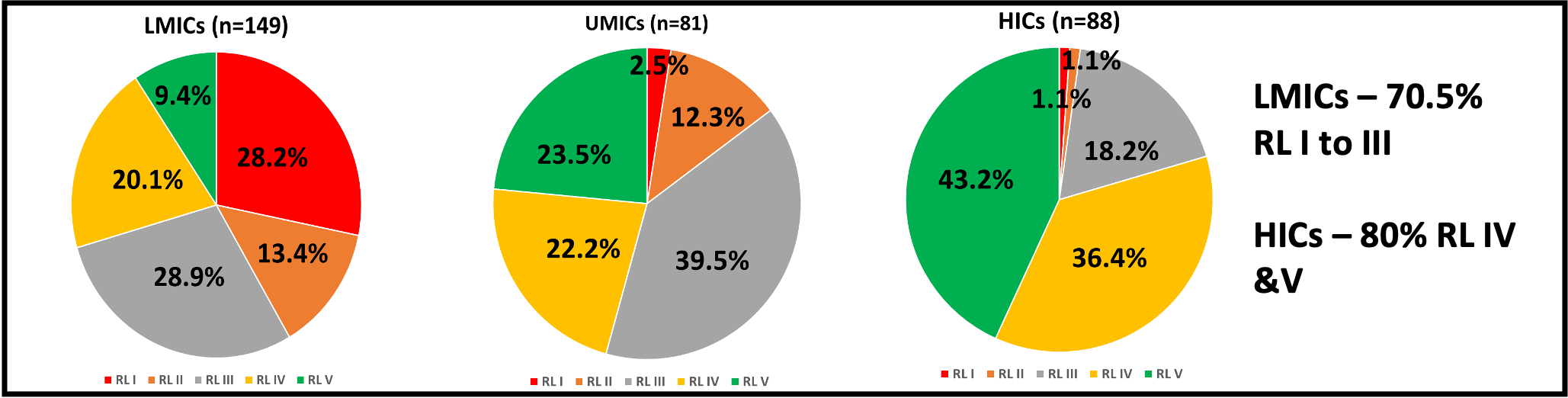
The fifth edition of the WHO classification of CNS Tumors (WHO CNS5) has revised the diagnostic and grading criteria for Adult-type Diffuse Gliomas (ADGs) by integrating molecular parameters with histologic features. Conducting molecular testing for most ADGs is now crucial in fulfilling the WHO CNS5 diagnostic criteria. However, due to additional costs and technical barriers, implementing molecular diagnostics is often not feasible in Low-Income Countries (LICs) and Lower Middle-Income Countries (LMICs). Therefore, practical approaches are needed for diagnosis in resource-restrained settings. Hence, the Asian Oceanian Society of Neuropathology (AOSNP), through the ‘ADAPTR’ (Adapting Diagnostic Approaches for Practical Taxonomy in Resource-Restrained Regions) initiative, aimed to provide resource-stratified recommendations for diagnosing ADGs based on available resources while adhering to the WHO guidelines as much as possible. ADAPTR identified different resource levels (RLs) of diagnostic pathology services, ranging from RL I to RL V, with RL I to RL IV being applicable to the LMICs, and provides recommendations for a ‘Histology-oriented integrated diagnosis format’ for each tumor type at different RLs. In addition, diagnostic flow charts for ADGs have been generated to suit these RLs. The emphasis is mainly on using histopathological approaches with immunohistochemistry, while molecular testing recommendation is categorised as ‘can be considered’, ‘highly recommended’ or ‘obligatory’, to reach the next level diagnosis. In each RL, either a WHO CNS5 diagnosis with an accompanying CNS WHO grade or an ADAPTR descriptive diagnosis with an associated ADAPTR histologic grade is provided, depending on the context. ADAPTR recommendations are therefore a practical adaptation of the WHO CNS5 guidelines that will suit routine diagnostic practices in resource-restrained regions.